
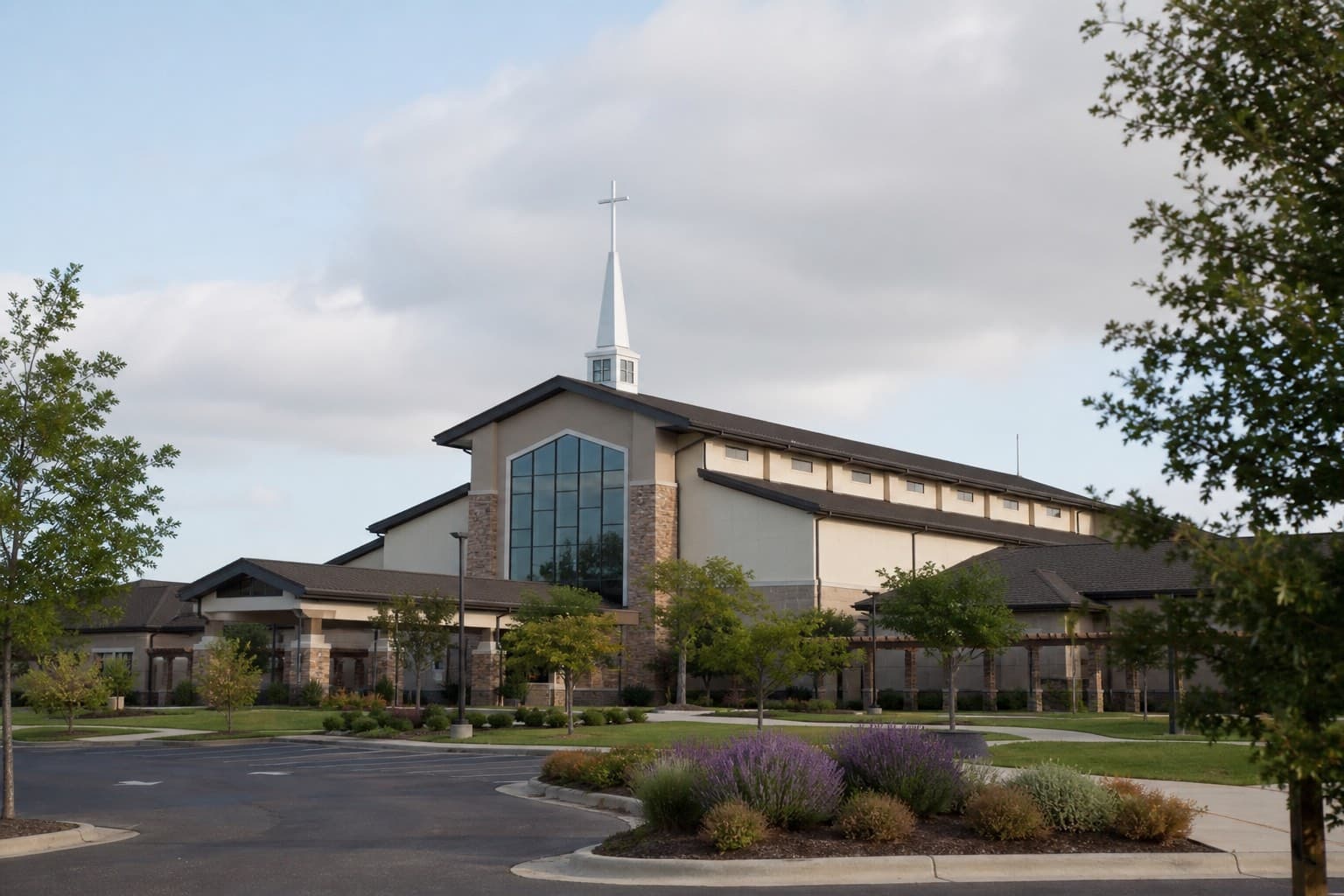
Visit
597 N High StWorthington, OH 43085About
Summary
Great Commission Churches (GCC) was a network of churches formed in 1970 and organized as a denomination in 1990. Dissolved in 2020, GCC aimed to proclaim the gospel of Jesus Christ and build New Testament churches. The organization supported over 260 churches globally and emphasized evangelism and cooperation among Christian leaders.
Details
Great Commission Churches (GCC) was established in 1970 as a network of churches focused on evangelism and building New Testament churches, as outlined in Matthew 28:19-20. Organized as a denomination in 1990, GCC became a member of the National Association of Evangelicals in 2007. The organization dissolved in November 2020, with the board citing that the denominational structure had served its purpose and was no longer necessary. GCC's dissolution statement explains that the decision was made to allow churches greater autonomy and flexibility in their mission to spread the gospel. GCC emphasized cooperation among Christian leaders and supported over 260 churches worldwide. The churches in GCC were autonomous, with each appointing and employing their own pastors and staff. GCC did not own any church buildings, reflecting its non-denominational nature. The organization's core values included a commitment to evangelism, the authority of Scripture, and the importance of church fellowship. Statement of Faith details GCC's beliefs, including the authority of the Bible, the Trinity, salvation through faith in Jesus Christ, and the importance of baptism and the Lord's Supper.
From Faith Near Me
Great Commission Churches (GCC) in Worthington, OH, emerged as a network dedicated to evangelism and New Testament church development from 1970 until their dissolution in 2020. Emphasizing autonomous congregations and global cooperation, GCC supported over 260 churches worldwide while maintaining a clear focus on Scripture and fellowship. Though no longer active as a denomination, their legacy reflects a commitment to spreading the gospel with flexibility and local leadership autonomy.
Pros
- Emphasis on evangelism and New Testament church growth
- Autonomous congregations with local leadership control
- Global network supporting over 260 churches
- Clear doctrinal foundation rooted in Scripture authority
- Collaborative approach to Christian fellowship
Cons
- Website presence status unknown, limiting current information access
- Organization dissolved in 2020, affecting ongoing operational clarity